
Every day on Australian roads, thousands of accidents dissolve into frustrating “he-said-she-said” arguments. Without a witness, you are often left paying the excess even when you weren’t at fault.
Enter the dash cam: your silent, unblinking witness.
But before you stick a camera to your windscreen, you need to navigate a minefield of state laws and technical jargon. Is it legal to record conversations in NSW? Will a Lithium battery explode in a Queensland summer? This guide covers everything you need to know to protect your car—and your licence—in 2025.
Are Dash Cams Legal in Australia?
Yes, but you must follow two critical rules.
While owning a dash cam is legal in all states and territories, how you use it can land you in trouble.
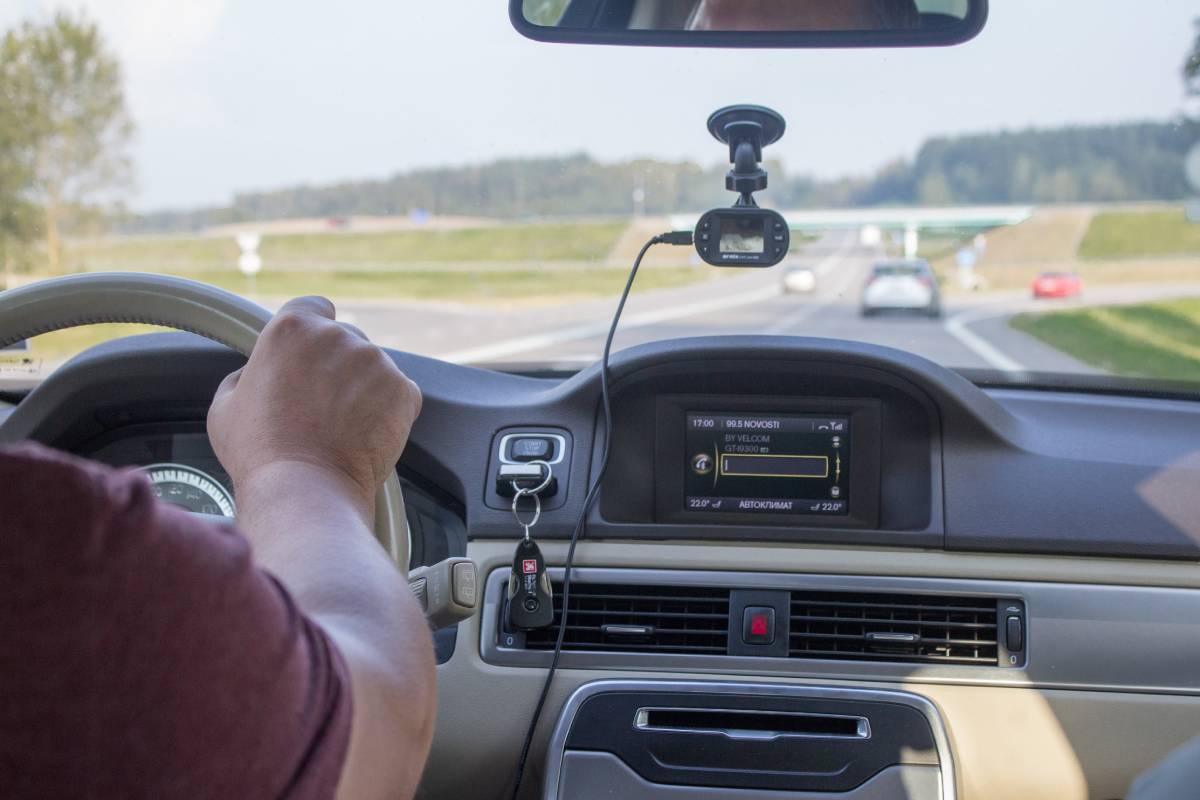
- Do Not Obstruct Vision: It is an offence (attracting fines and demerit points) to mount a device that blocks your view of the road. The only “safe zone” is generally directly behind your rearview mirror, within the area swept by your wipers.
- Audio Privacy is Strict: In states like NSW (Surveillance Devices Act 2007) and Victoria, recording a private conversation without the consent of all parties is illegal.
- Best Practice: Disable the microphone settings unless you are alone in the car, or clearly inform passengers they are being recorded.
Table of Contents
Why Every Australian Driver Needs a Dash Cam
You might think you’re a safe driver, but you can’t control the person tailgating you on the M1. Here is why a dash cam is a non-negotiable investment.
1. The “Excess” Saver
Most insurance policies require you to pay an excess (often $600-$1,000) unless you can prove the other driver was at fault and provide their details. A clear video clip is the ultimate proof. It turns a disputed claim into a “not-at-fault” win, saving you money instantly.
2. Fight Unfair Fines
Have you ever been fined for running a yellow light when you swore it was safe? GPS-enabled dash cams record your exact speed and location. This data can be used to contest incorrect infringement notices or prove you weren’t speeding.
3. Parking Protection
Shopping centre car parks are danger zones. A dash cam with Parking Mode stays awake even when your engine is off. If a trolley hits your door or someone reverses into your bumper and drives off, the camera captures the footage.
Note: To use Parking Mode, you usually need a “Hardwire Kit” to draw power from your car’s fuse box without draining the battery flat.
Using Parking Mode without a proper hardwire kit is risky. It can flatten your vehicle’s power source overnight, leaving you scrambling to fix a battery that won’t hold a charge right when you need to get to work.
The “Aussie Summer” Test: Supercapacitors vs. Batteries
This is the most important technical tip in this article.
Do not buy a battery-powered dash cam in Australia.
Australia’s cabin temperatures can easily exceed 60°C+ in summer. Traditional Lithium-ion batteries (like the one in your phone) can swell, leak, or even catch fire under this heat.
The Solution: Look for a dash cam powered by a Supercapacitor. Supercapacitors are heat-resistant energy storage units. They don’t hold a charge for long (just enough to save the file when the car turns off), but they can withstand extreme Australian heat without failing.
Top 3 Dash Cams for Australia (2025 Edition)
We have selected these models based on heat resistance, video clarity (for reading number plates), and ease of use.
1. The Best All-Rounder: VIOFO A229 Pro (2-Channel)
- Resolution: 4K UHD (Front) + 2K (Rear)
- Sensor: Sony STARVIS 2 (Best night vision in class)
- Why it wins: VIOFO offers premium video quality at a mid-range price. The STARVIS 2 sensor is a game-changer for capturing number plates at night or in tunnels.
- Heat Rating: Supercapacitor (Safe).
2. The Premium Choice: BlackVue DR970X-2CH Plus
- Resolution: 4K UHD
- Key Feature: Cloud Connectivity & LTE
- Why it wins: If you want to check on your car remotely from your phone while you’re at work, this is the one. It’s sleek, discreet (harder for thieves to spot), and has the best app software in the business.
- Heat Rating: High-temp Supercapacitor.
3. The Budget Defender: VIOFO A119 Mini 2
- Resolution: 2K QHD
- Key Feature: Tiny size, voice controls.
- Why it wins: It hides neatly behind your mirror and costs less than a single insurance excess. It lacks a rear camera, but for front-facing protection, it is an unbeatable value.
How to Install Without Voiding Warranty
Many drivers worry that “hardwiring” a dash cam will void their new car warranty.
The Truth: As long as the installation is reversible and doesn’t cut into factory wiring, your warranty generally remains intact.
- Use “Fuse Taps”: These piggyback off an existing fuse slot (like the wiper or cigarette lighter fuse) without cutting any cables.
- Tuck, Don’t Cut: Hide cables inside the roof liner and A-pillar trim.
- Airbag Warning: Never run a cable over an airbag deployment zone (A-pillar). Always route behind the airbag to ensure safety.
- Professional Help: If you aren’t comfortable working with your car’s electrics, we highly recommend getting it installed by experts. The team at Bankstown Sound specialises in hardwiring dash cams to ensure a clean finish that never interferes with airbags or factory systems.
Conclusion
Smart car ownership isn’t just about choosing the right fuel type to protect your engine; it’s about installing a dash cam to protect your wallet. A camera is the cheapest insurance policy you will ever buy. For the price of a tank of fuel, you get peace of mind knowing that if the worst happens, you have irrefutable proof.
If you drive in Australia, ensure you choose a Supercapacitor model to handle the heat, and check your state’s privacy laws regarding audio recording.
Ready to protect your vehicle? Don’t wait until after an accident. Check out our recommended VIOFO A229 Pro here or the BlackVue DR970X here.
Frequently Asked Questions
Do dash cams reduce insurance premiums in Australia?
Generally, no. Most major insurers (like NRMA, AAMI, and Suncorp) do not offer a direct premium discount for installing a dash cam. However, they save you money by helping you waive the excess fee if you can prove you weren’t at fault.
Can I submit dash cam footage to the police?
Yes. Most state police forces (including NSW Police and Victoria Police) have online portals specifically for uploading footage of dangerous driving or accidents. The footage must be unedited and show the date/time stamp.
Is it legal to film police with a dash cam?
In public places, you generally have the right. Police officers in Australia have no special power to stop you from filming them in a public place, provided you are not hindering them in the execution of their duty.
How long does a dash cam record for?
It depends on your SD card size. A 128GB card recording in 4K usually holds about 5-8 hours of footage. Once full, the camera “loops” and records over the oldest footage automatically, so you never run out of space.