
The ink is dry on the bill of sale, and the keys are finally in your hand. Becoming a boat owner is a lifelong dream realized for many.
However, staring at that massive fiberglass hull, a sinking feeling of “what now?” often sets in. From confusing state registration laws to complex Coast Guard requirements, making a mistake early on can lead to hefty fines or dangerous situations.
Don’t let the administrative headache ruin your honeymoon phase. We have built the ultimate post-purchase roadmap to get you legally compliant, fully protected, and out on the water with absolute confidence.
TL;DR: What to Do Immediately After Buying a Boat
What are the first steps after buying a boat? Immediately after buying a boat, you must secure the title and register the vessel with your state’s maritime or transportation agency. Next, purchase comprehensive marine insurance, ensure the boat is stocked with USCG-required safety gear, and complete a NASBLA-approved boating safety course before your first launch.
The First 5 Steps:
- Secure the Bill of Sale and Title.
- Register the vessel with your state.
- Purchase a marine insurance policy.
- Buy essential USCG-approved safety gear.
- Take a certified boating safety course.
Phase 1: The Legalities & Paperwork
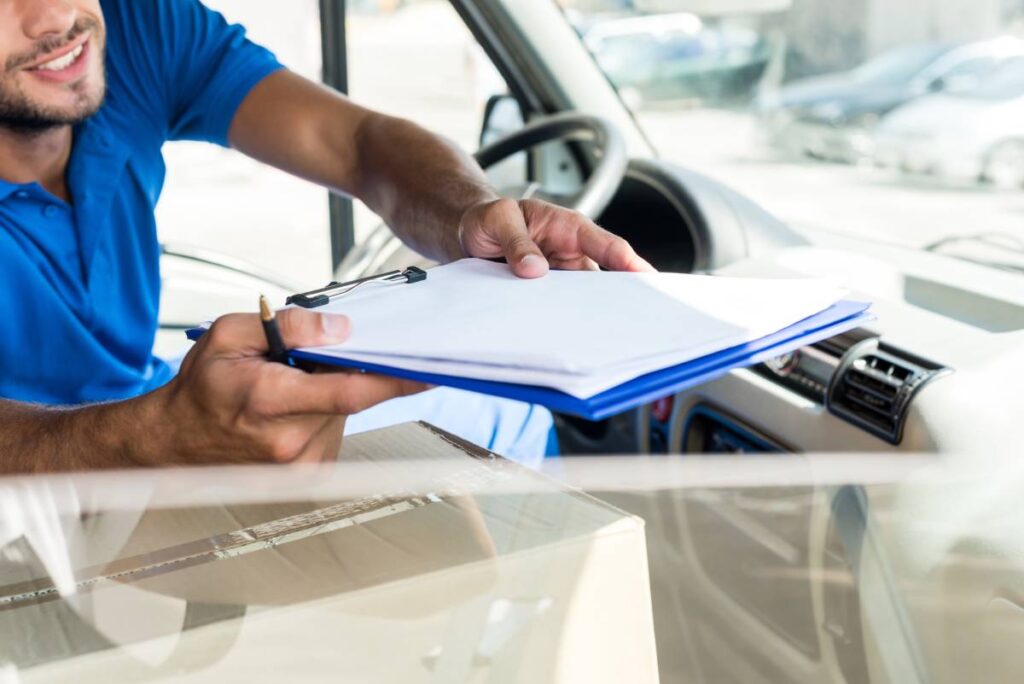
Before you even think about putting the plug in, you must ensure you legally own and can operate the vessel.
Transfer the Title and Register Your Vessel
Just like a car, your boat needs a license plate (registration numbers). You usually have a 15 to 30-day grace period to register the boat after purchase, depending on your state.
- Locate your Hull Identification Number (HIN), usually found on the upper starboard corner of the transom.
- Bring your signed Bill of Sale, the old title, and your ID to your state’s Department of Motor Vehicles (DMV) or Department of Natural Resources (DNR).
- Affix your new registration numbers to the forward half of your boat exactly as your state mandates (usually 3-inch block letters).
Register the Trailer
Do not forget the trailer! A boat trailer is considered a separate vehicle by the state.
- You will need a separate title and registration for the trailer.
- Make sure the trailer’s VIN is legible and matches your paperwork before heading to the DMV.
Phase 2: Protection & Safety
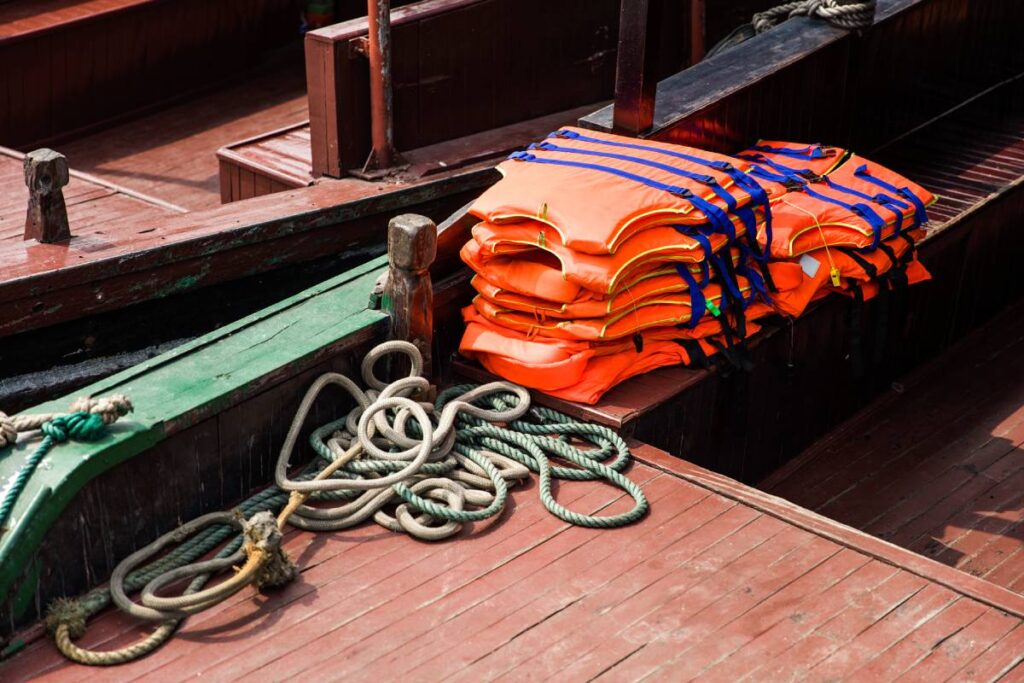
The water is entirely unforgiving to the unprepared. Protecting your financial investment and your passengers is the next critical phase.
Secure Marine Insurance
Never hook the trailer to your truck without insurance. Standard homeowner’s policies do not adequately cover boats.
- Agreed Value vs. Actual Cash Value (ACV): Always opt for an “Agreed Value” policy. If the boat sinks, you get the exact amount stated on the policy, without depreciation.
- Ensure you have adequate liability coverage and salvage/wreck removal coverage, which pays to pull your boat off the bottom if it sinks.
Take a Boating Safety Course
Even if you grew up on the water, the laws change. Many states now legally require a boater education card for anyone born after a certain year.
- Take a course approved by the National Association of State Boating Law Administrators (NASBLA).
- Completing this course often earns you a discount on your marine insurance.
Stock Essential Safety Gear
The United States Coast Guard (USCG) mandates specific gear based on your boat’s size. Failing to carry these will result in an immediate ticket.
| Item Category | Minimum USCG Requirement | Best-in-Class Upgrade |
| Life Jackets (PFDs) | One wearable (Type I, II, III, V) per person. | Premium, auto-inflatable PFDs for all adults. |
| Throwable Device | One Type IV throwable (boats 16ft+). | Ring buoy with 50ft of floating rescue line. |
| Fire Extinguisher | B-I or B-II classification (based on boat size). | Automatic engine compartment fire suppression. |
| Visual Distress | 3 approved day/night flares. | LED electronic SOS beacon (never expires). |
| Sound Device | A whistle or horn audible for 1/2 mile. | Canned air horn plus an installed marine horn. |
Phase 3: Maintenance & Preparation
Even if you bought a brand-new boat or had a marine survey done on a used one, you need a baseline for maintenance and logistics before it ever touches the water.
Coordinate Long-Distance Transport
If you purchased your dream vessel out of state or across the country, towing it yourself on an unverified trailer is a massive risk. Partnering with a specialized logistics and transport provider like WA Freight ensures your boat is professionally secured, insured during transit, and delivered safely to your local marina without the stress of a cross-country haul.
Schedule a Baseline Mechanic Inspection
If you bought a used boat without a marine surveyor, take it to a certified marine mechanic immediately.
- Have them change the engine oil, lower unit gear lube, and fuel filters.
- Inspect the raw water impeller; if it fails, your engine will overheat in minutes.
Towing Setup and Trailer Maintenance
If you are handling the local towing yourself, remember that most boat breakdowns happen on the side of the highway, not on the water.
- Inspect the trailer wheel bearings. If they are dry or rusty, have them repacked or replaced immediately.
- Check your tow vehicle’s hitch rating and ensure the trailer lights are fully operational.
Phase 4: Your First Launch
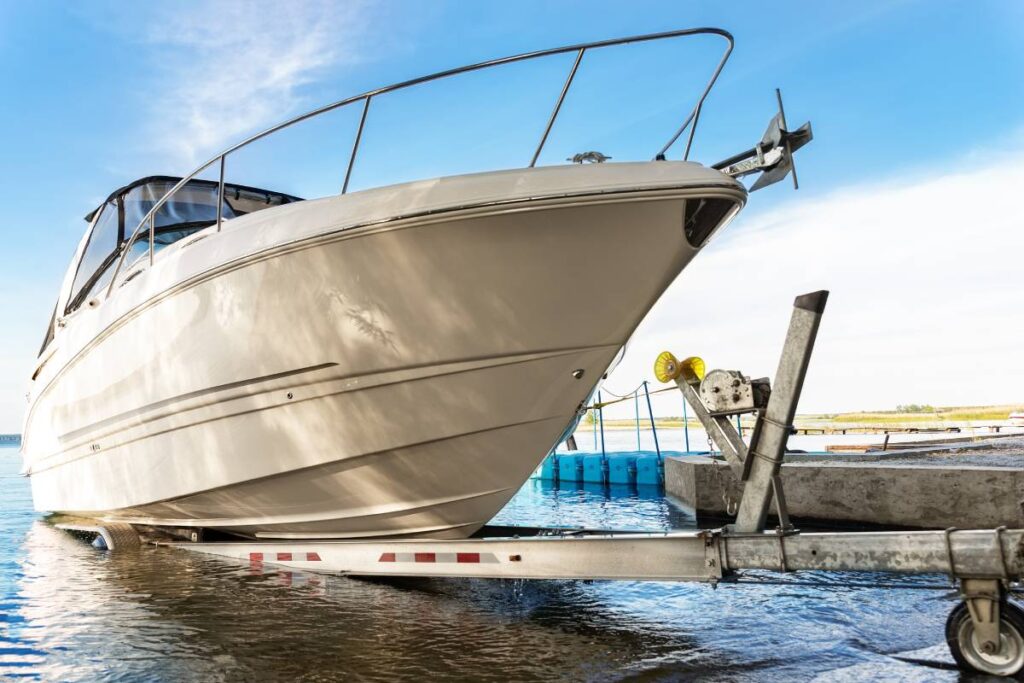
You are legal, insured, and prepped. It is time to get your hull wet, but do it strategically.
Practice Launch Ramp Etiquette
The boat ramp is a high-stress environment. Do not prep your boat on the ramp itself.
- Use the “staging area” to remove tie-down straps, load your cooler, and insert the drain plug.
- Only back down the ramp when your vessel is 100% ready to slide into the water.
The Shake-Down Cruise
Inviting 15 of your closest friends out for a massive sandbar rager on day one is among the biggest boat party mistakes a new owner can make. You do not know the vessel’s quirks yet, and a crowded deck combined with an untested engine is a recipe for disaster.
- Plan a “shake-down” cruise: A short, 1-to-2-hour trip near the marina on a calm weekday with just one or two capable helpers.
- Test the steering, throttle response, bilge pumps, and navigation lights without the pressure of guests on board.
Conclusion
Buying a boat unlocks a lifetime of memories on the water, but the initial transition requires discipline. By immediately handling your legal registration, securing robust marine insurance, prioritizing safety gear, and conducting baseline maintenance, you protect your investment and your passengers.
Once the paperwork is filed and the life jackets are stowed, the real adventure begins. What body of water will you conquer for your first official voyage?
Frequently Asked Questions
A: In most US states, you do not need a traditional “driver’s license” for a boat. However, most states require a Boater Education Card (often called a boating license), which you get by passing a NASBLA-approved safety course.
A: While only a few states legally mandate boat insurance, almost all marinas require proof of liability insurance to rent a slip or mooring. Furthermore, if you financed the boat, your lender will absolutely require comprehensive marine insurance.
A: Registration fees vary wildly by state and boat length. It can range from $25 for a small aluminum skiff to several hundred dollars for a large yacht. You must also account for any state sales tax due at the time of registration.
A: If boarded by the Coast Guard or marine police and found lacking required gear (like life jackets or fire extinguishers), you will typically face fines ranging from $100 to $1,000. In severe cases, your voyage will be terminated, and you will be escorted back to the dock.